Date: January 25, 2026 Author: Dr. Rohit Gupta
Introduction: A Shadow on the Border
As we settle into 2026, a familiar medical challenge has resurfaced in our neighboring region. News confirmed earlier this month of a Nipah Virus (NiV) outbreak in West Bengal, India, has sent a ripple of concern throughout Nepal's medical community and the general public.
While Nepal currently remains free of confirmed cases, the proximity of the outbreak and our open, porous borders have necessitated an immediate, high-level alert. The Epidemiology and Disease Control Division (EDCD) has activated emergency protocols, particularly along the southern plains of the Terai.
To understand the reality on the ground away from the panic headlines, we spoke with Dr. Rohit Gupta, regarding the implications of this outbreak for Nepal, specifically key transit hubs like Birgunj, and practical steps for prevention.
The Current Situation: Why the Alarm?
The situation in West Bengal is serious. With at least five confirmed cases reported in January 2026, including patients in critical condition, authorities in India are scrambling to contain the spread. The alarming aspect of this specific outbreak is the infection of healthcare workers, highlighting the high transmissibility of the virus in close-contact settings.
For Nepal, this is too close for comfort. The daily cross-border movement of thousands of people for trade, family, and medical reasons between West Bengal/Bihar and Nepal creates a significant corridor for potential transmission.
The Frontline: Birgunj and Border Tightening
Birgunj, as one of Nepal's most vital economic and transit hubs bordering India, is currently on the front line of this defensive effort.
Following directives from Kathmandu, health desks at major border fentry points in the Parsa and Morang districts have been reinforced. The primary focus is surveillance:
-
Screening Travelers: Mandatory health screening for individuals entering from India, particularly those with travel history to Kolkata or affected districts in West Bengal.
-
Symptom Watch: Officials are looking for travelers exhibiting high fever, altered mental status, or severe respiratory distress.
-
Isolation Protocols: Immediate isolation areas have been identified for any suspected cases before they can enter the general population.
Dr. Rohit Gupta’s Perspective: "Vigilance, Not Panic"
Dr. Rohit Gupta emphasizes that while the threat is real, the response must be rooted in science and preparedness rather than fear.
The Clinical Challenge
"The biggest challenge with Nipah virus isn't just its high mortality rate (which can exceed 70%), but its initial presentation," explains Dr. Gupta. "In the first few days, it looks like bad flu or even COVID-19—fever, headache, sore throat. By the time neurological symptoms like drowsiness or disorientation set in, the patient is already severely ill and highly infectious."
Dr. Gupta advises his fellow clinicians in border cities like Birgunj to maintain a high index of suspicion. "If a patient has a fever and neurological signs and a travel history to Bengal, we cannot afford to wait. Immediate isolation and contacting the National Public Health Laboratory (NPHL) for PCR testing is crucial."
The Local Risk Factor
Dr. Gupta also highlights a geographical reality that many overlook. "We must remember that the natural hosts of the virus—fruit bats of the Pteropus genus—do not respect international borders. These bats are present right here in the Terai forests of Nepal. While we are currently worried about imported human cases, the ecological setup for a local spillover event already exists here. This means our precautions regarding food and animals must be permanent, not just during outbreaks in India."
Critical Precautions for the Public
Based on the current situation, Dr. Gupta and health authorities strongly recommend the following preventive measures for everyone in Nepal, especially in the Terai regions:
1. The Danger of Raw Sap (Tari): This is the most critical season-specific advice. Do not drink raw date palm sap. Bats often drink from the collection pots at night, contaminating the sap with saliva or urine. If you must consume it, it must be boiled first to kill the virus.
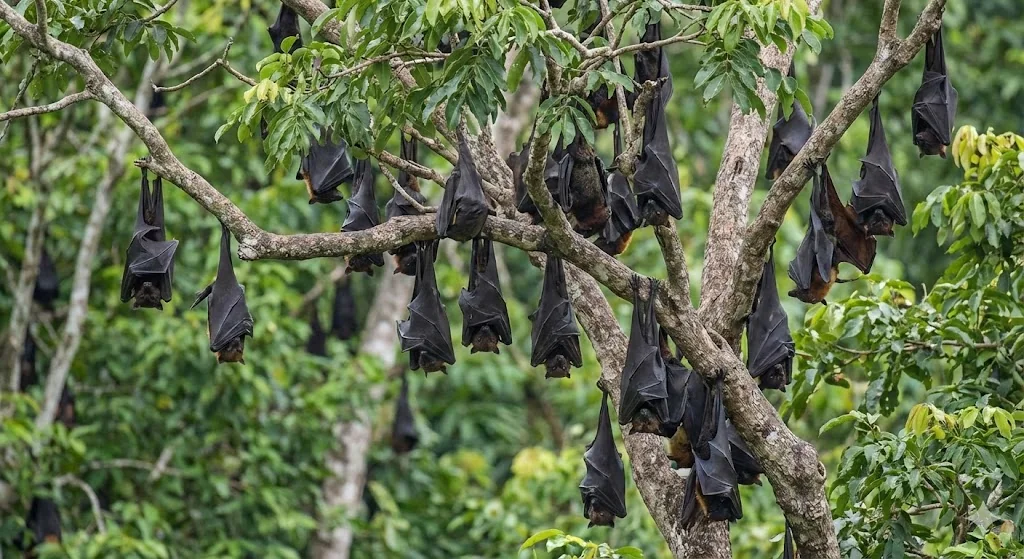
2. Fruit Hygiene: Fruit bats feed on fruits like mangoes, guavas, and litchis.
-
Wash all fruits thoroughly before eating.
-
Peel fruits whenever possible.
-
Never eat fruit that you find on the ground or fruit that shows signs of bird or bat bites.
3. Animal Contact: Avoid direct contact with pigs and bats. Pig farmers should be especially cautious and use protective gear, as pigs can act as "amplifying hosts" for the virus.
4. Human-to-Human Safety: Avoid close physical contact with anyone exhibiting flu-like symptoms or encephalitis, especially if they have recently traveled from affected areas in India. Practice rigorous hand hygiene.
Conclusion
The tightening of the Nepal border is a necessary defensive measure, but community awareness is our strongest shield. As Dr. Gupta summarizes, "We are in a state of high alert, but we are not helpless. By understanding how the virus spreads and taking simple precautions with our food and hygiene, we can drastically reduce the risk to ourselves and our community."
Stay informed through official channels like the Ministry of Health and Population, and avoid spreading unverified rumors on social media.