Introduction
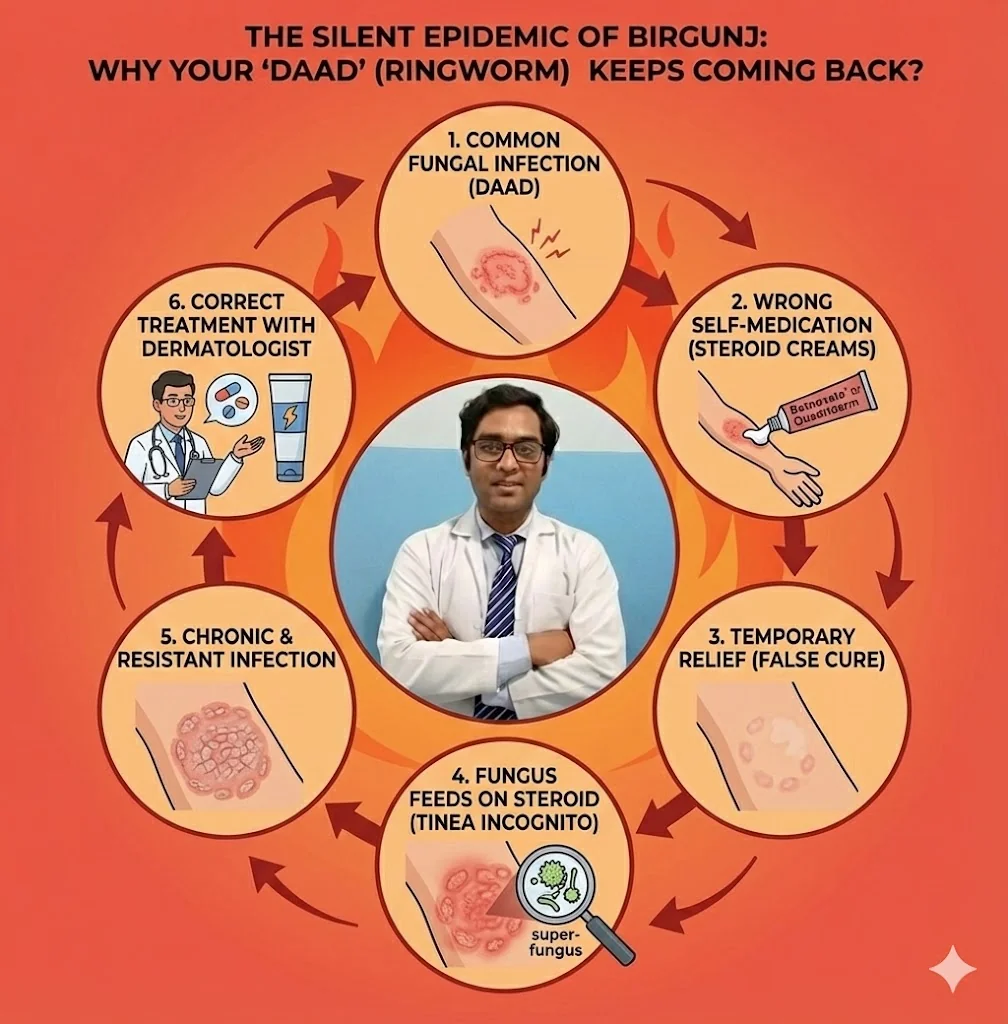
Ringworm, locally known as 'Daad', is a common fungal skin infection that affects many people in Birgunj, Nepal. Despite treatment efforts, many experience persistent or recurring infections, leading to what experts call a silent epidemic. This blog post explores why 'Daad' keeps coming back, the factors driving its persistence in Birgunj, and practical advice to break the cycle.
Understanding 'Daad' (Ringworm)
Ringworm is a superficial fungal infection caused by dermatophytes—fungi that thrive on keratin found in the skin, hair, and nails. It is highly contagious and can spread through direct contact with infected people, animals, or contaminated objects.
In Birgunj, a study conducted at the National Medical College Dermatology Department reported that dermatophytosis (ringworm) is widespread, with a significant number of cases showing recurrence and resistance to treatment[2].
Why Is 'Daad' a Silent Epidemic in Birgunj?
Several factors contribute to the silent epidemic of ringworm in Birgunj:
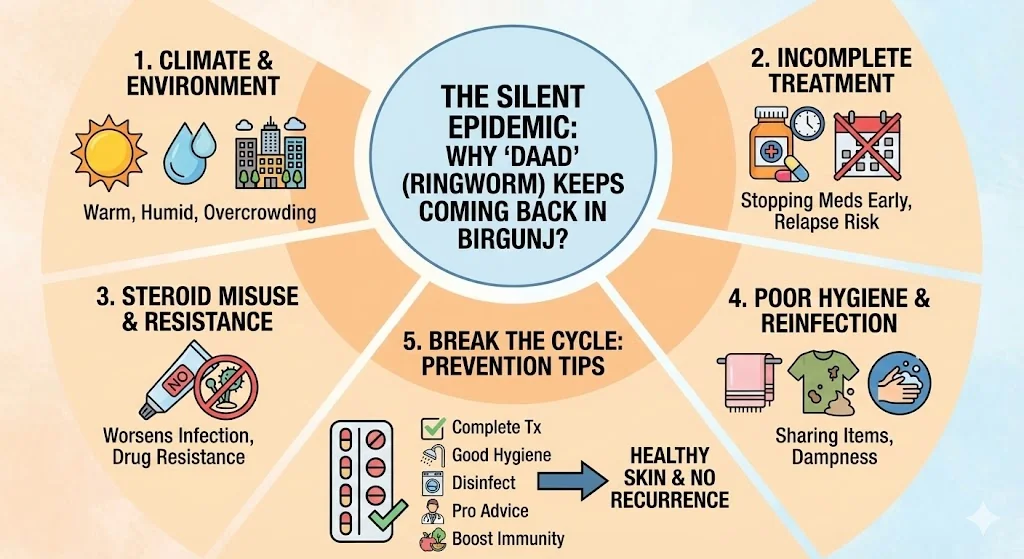
- Climate and Environment: Birgunj’s warm, humid climate creates an ideal environment for fungal growth and transmission.
- Population Density and Hygiene: Overcrowding and limited access to sanitation increase the risk of spreading infection.
- Delayed or Incomplete Treatment: Many patients stop antifungal treatment prematurely once symptoms improve, leading to incomplete eradication of fungi and relapse.
- Lack of Awareness: Misconceptions about ringworm’s contagiousness and treatment often result in inadequate preventive measures.
- Resistance to Antifungal Medications: Emerging resistance in dermatophytes to common antifungal drugs complicates treatment[2].
Why Does Ringworm Keep Coming Back?
Ringworm recurrence is a frustrating problem for patients and health professionals alike. The main reasons include:
- Incomplete Treatment Course: Stopping medication too early allows fungi to survive and cause relapse.
- Reinfection: Exposure to contaminated environments, infected family members, or animals leads to repeated infections.
- Improper Use of Topical Steroids: Some patients use steroid creams mistakenly, which suppress immune response and worsen fungal infections.
- Poor Hygiene Practices: Lack of regular bathing, sharing of personal items, and wearing damp clothes encourage fungal growth.
- Underlying Health Conditions: Diabetes, immune deficiencies, and other chronic illnesses can impair skin defenses.
Medical Perspective: What Dermatologists Say
From a professional dermatology standpoint, repeated ringworm infections require comprehensive diagnosis and treatment strategies:
- Accurate Diagnosis: Confirming fungal infection via microscopic examination and culture is crucial to guide therapy.
- Appropriate Antifungal Therapy: Dermatologists recommend complete courses of systemic and topical antifungals, such as miconazole, which is effective against ringworm[4].
- Avoiding Steroid Misuse: Steroid creams should be avoided as they can worsen fungal infections and cause chronicity.
- Addressing Environmental and Lifestyle Factors: Treatment should include counseling on hygiene and preventive measures.
Practical Tips to Prevent Recurrence of 'Daad'
Breaking the cycle of recurrent ringworm involves a combination of treatment and lifestyle changes. Here are actionable tips:
- Adhere Strictly to Treatment: Complete the full antifungal course prescribed by your doctor, even if symptoms improve.
- Maintain Good Personal Hygiene: Bathe regularly, keep skin dry, and avoid sharing towels, clothes, or bedding.
- Disinfect Personal Items: Regularly wash and disinfect clothes, towels, and bedding in hot water.
- Avoid Steroid Creams Without Prescription: Only use medications advised by healthcare professionals.
- Protect Against Environmental Exposure: Avoid walking barefoot in communal areas and keep living spaces clean and dry.
- Treat Infected Family Members and Pets: Ringworm is contagious, so treating all affected individuals is essential to prevent reinfection.
- Boost Immune Health: Maintain a balanced diet and manage chronic conditions like diabetes to improve your body’s resistance.
Real-Life Example from Birgunj
A 27-year-old male from Birgunj struggled with persistent tinea corporis (ringworm) despite multiple treatments. Upon consulting Dr. Rohit Gupta, he learned that incomplete treatment and sharing clothes with infected family members caused constant reinfection. After completing a supervised antifungal regimen and adopting strict hygiene practices, his infection cleared and did not return over six months of follow-up[2].
Conclusion
The silent epidemic of ringworm in Birgunj reflects a public health challenge driven by environmental, social, and medical factors. Understanding why 'Daad' keeps coming back empowers individuals and healthcare providers to adopt effective strategies. By combining proper medical treatment, awareness, and hygiene, the cycle of recurrence can be broken, improving skin health and quality of life in Birgunj.