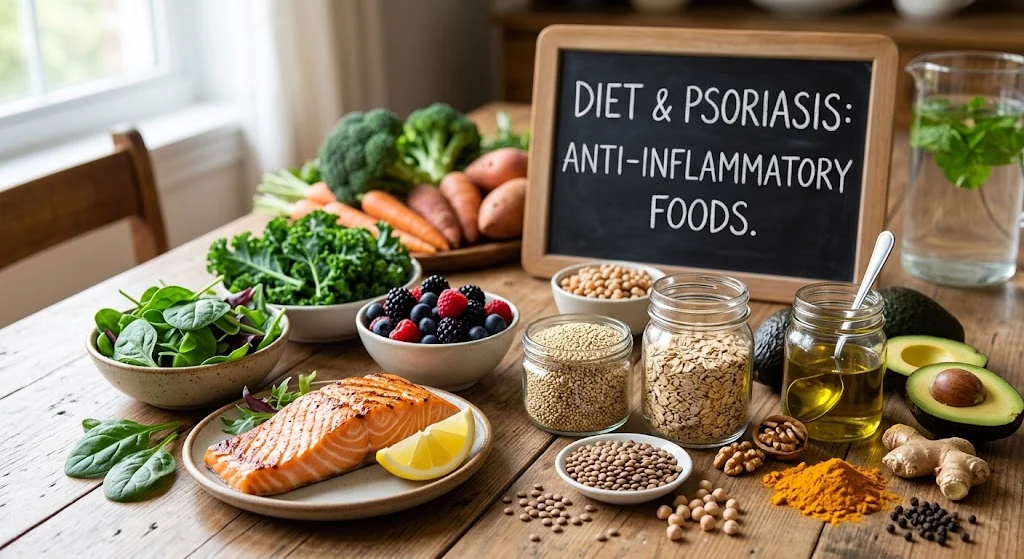
Psoriasis is fundamentally a systemic inflammatory condition, not just a skin disorder. While medical therapies—topicals, phototherapy, and biologics—remain the frontline management, nutrition plays a powerful complementary role. What you eat directly influences systemic inflammation, gut microbiome composition, and oxidative stress, all of which drive the hyperproliferation of keratinocytes.
The Anti-Inflammatory Framework: What to Eat
The most validated dietary pattern for psoriasis is the Mediterranean-style diet, rich in antioxidants, polyphenols, and essential fatty acids.
1. Omega-3 Fatty Acids
Omega-3 polyunsaturated fatty acids (EPA and DHA) compete with arachidonic acid to produce less inflammatory eicosanoids, helping reduce erythema and plaque thickness.
-
Fatty Fish: Salmon, mackerel, sardines, anchovies, and herring (aim for 2–3 servings per week).
-
Plant Sources: Flaxseeds, chia seeds, hemp seeds, and walnuts (for ALA conversion).
2. Polyphenols and Antioxidant-Dense Produce
Systemic oxidative stress damages cellular lipids and amplifies cytokine signaling (such as TNF-$\alpha$, IL-17, and IL-23). Colorful fruits and vegetables deliver carotenoids, flavonoids, and vitamin C to counteract this pathway.
-
Dark Leafy Greens: Spinach, kale, swiss chard, and mustard greens.
-
Berries: Blueberries, blackberries, strawberries, and raspberries.
-
Cruciferous Vegetables: Broccoli, Brussels sprouts, cauliflower, and cabbage.
3. Heart-Healthy Monounsaturated Fats
-
Extra Virgin Olive Oil (EVOO): Contains oleocanthal, a natural compound that exhibits anti-inflammatory properties similar to low-dose ibuprofen.
-
Avocados, almonds, and pumpkin seeds: Excellent sources of vitamin E and zinc, both critical for epidermal barrier integrity.
4. High-Fiber Carbohydrates & Resistant Starches
Dysbiosis in the gut microbiome is frequently observed in patients with psoriasis. Fiber feeds beneficial bacteria that produce short-chain fatty acids (SCFAs) like butyrate, which promote immune tolerance.
-
Legumes: Lentils, chickpeas, and black beans.
-
Whole Grains: Oats, quinoa, barley, and brown rice.
5. Anti-Inflammatory Spices
-
Turmeric (Curcumin): Curcumin inhibits the NF-$\kappa$B pathway, downregulating inflammatory cytokine production. Always pair with black pepper (piperine) to maximize bioavailability.
-
Ginger and Garlic: Provide natural antioxidant and circulatory support.
Quick Nutritional Reference
| Food Category | Top Choices | Mechanism of Benefit |
| Healthy Fats | Cold-water fish, EVOO, flaxseed | Dampens leukotriene and prostaglandin synthesis |
| Antioxidants | Berries, dark leafy greens, carrots | Scavenges reactive oxygen species (ROS) |
| Gut Fuel | Lentils, oats, fermented foods (kefir) | Produces SCFAs to strengthen the gut-skin axis |
| Spices | Turmeric with black pepper, ginger | Modulates NF-$\kappa$B and inflammatory cytokines |