Does Chocolate Cause Acne? A Dermatologist's Guide to Diet and Breakouts
One of the most frequent questions we hear at the clinic is, "Doctor, should I stop eating chocolate because it causes pimples?"
For decades, chocolate has been labeled public enemy number one for clear skin. If you have ever felt a pang of guilt while unwrapping a chocolate bar, you are definitely not alone. However, modern dermatological research shows that the link between what you eat and how your skin behaves is far more complex than a simple "yes" or "no."
Let’s separate sweet myths from scientific facts.
What Is Acne? Understanding the Root Cause
Before blaming a single food, it is important to understand exactly how a breakout forms. Acne vulgaris is a multi-factorial inflammatory skin condition that develops within the pilosebaceous unit (the hair follicle and its associated oil gland).
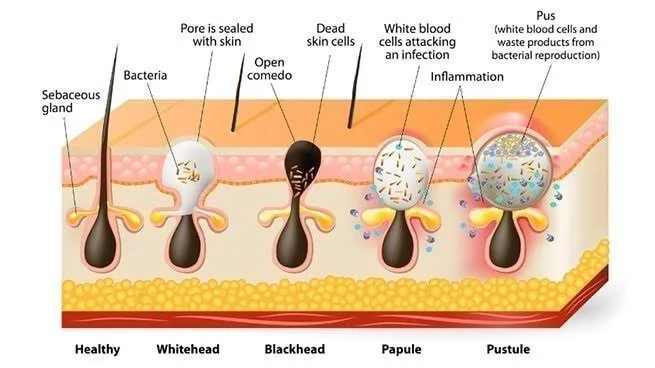
True acne is driven by a combination of key physiological factors:
-
Excess Sebum Production: Overactive sebaceous glands produce too much oil, frequently driven by hormonal fluctuations (like androgens).
-
Follicular Hyperkeratinization: Dead skin cells do not shed properly; instead, they clump together and trap oil inside the pore.
-
Bacterial Overgrowth: The trapped oil creates a perfect environment for Cutibacterium acnes (C. acnes), a bacteria naturally present on the skin, to multiply rapidly.
-
Inflammation: The body's immune response to the bacterial overgrowth leads to the redness, swelling, and pain associated with papules and pustules.
The Takeaway: Because acne is rooted in genetics, hormones, and skin anatomy, no single dietary item can be blamed as the sole cause of breakouts for everyone.
So, Does Chocolate Actually Cause Pimples?
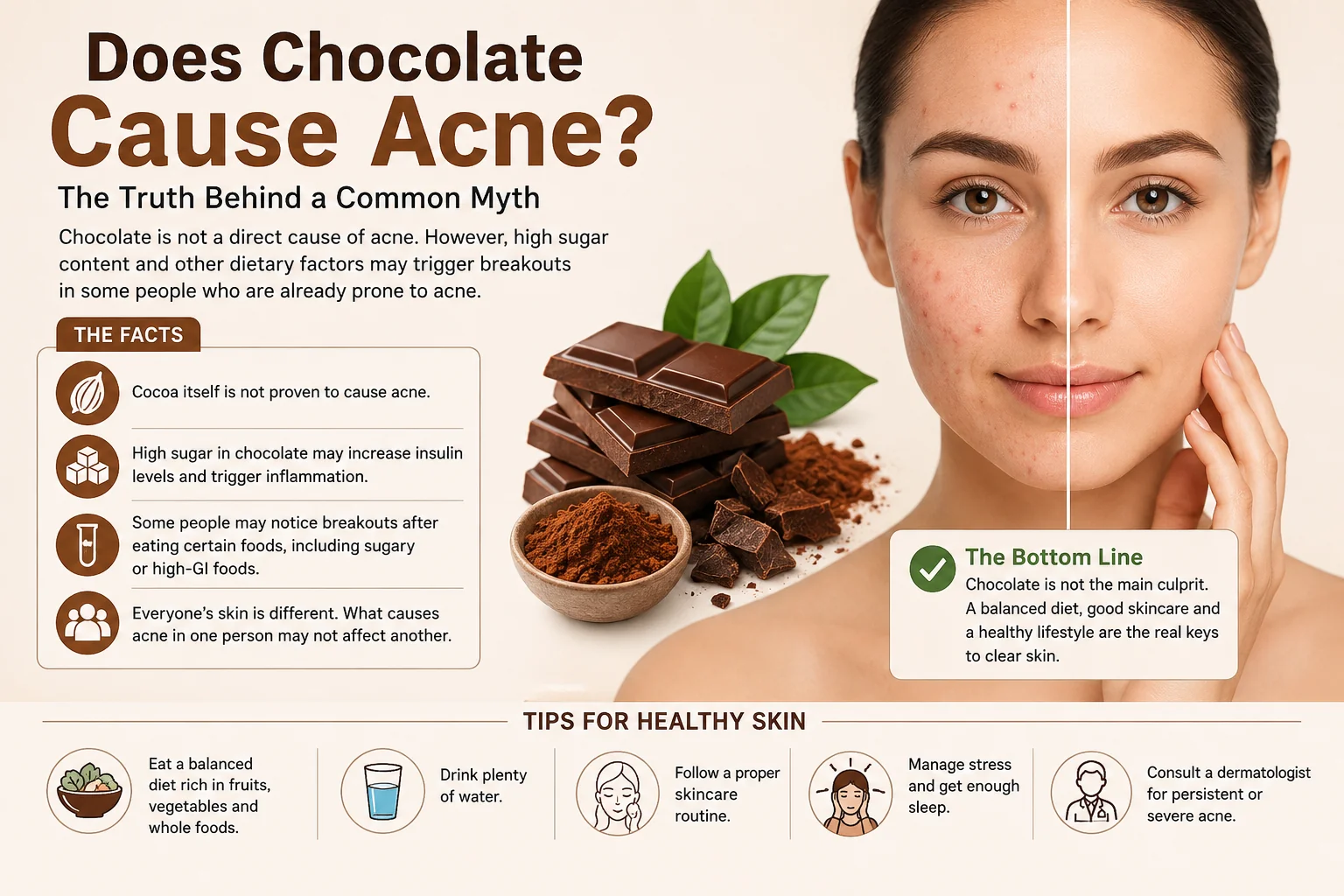
The short answer is: Pure cocoa itself has not been proven to directly cause acne.
However, the type of chocolate you choose makes a massive difference. Clinical studies suggest that the issue lies less with the cocoa bean and more with the ingredients added to it—specifically sugar and refined carbohydrates.
Milk Chocolate vs. Dark Chocolate
Most commercial milk chocolates and candy bars contain high amounts of added sugar, dairy solids, and hydrogenated oils. These specific ingredients can trigger physiological processes that worsen breakouts.
Conversely, high-quality dark chocolate contains a wealth of cocoa solids. Cocoa is rich in flavonoids, which are powerful antioxidants that actually help fight systemic inflammation—a core component of acne formation.

The Real Culprit: The Glycemic Index and Skin Health
If chocolate affects your skin, it is likely due to its Glycemic Index (GI). The GI measures how quickly a food causes your blood sugar levels to spike.

When you consume high-GI foods (like sugary chocolates, white bread, sodas, and pastries), your body experiences a rapid spike in blood sugar. This triggers a surge in insulin and a hormone called Insulin-like Growth Factor 1 (IGF-1).
This hormonal cascade leads to:
-
Increased production of sebum (oil) in your skin pores.
-
A surge in systemic inflammation, making existing pimples redder and more painful.
Other Dietary Considerations: The Dairy Connection
Beyond sugar, some individuals are sensitive to certain dairy products. Some clinical studies note a mild correlation between skim milk consumption and increased acne severity, possibly due to the natural growth hormones present in dairy products.
Should You Cut Chocolate Out of Your Diet?
In most cases, absolutely not! You do not need to completely restrict yourself from enjoying your favorite treats. Food restrictions can lead to unnecessary stress, which ironically triggers cortisol—a hormone that can also worsen acne.
Instead of elimination, focus on informed modification:
-
Switch to Dark Chocolate: Aim for dark chocolate with at least 70% or higher cocoa content. It satisfies your sweet tooth while keeping the glycemic load low.
-
Practice Moderation: A small square or two of dark chocolate per day is perfectly fine for most skin types.
-
Track Your Triggers: Keep a simple food diary. If you notice a consistent flare-up within 48 hours of eating highly processed milk chocolate, it may be worth reducing your intake.
A Dermatologist's Framework for Clear Skin
Achieving clear skin requires looking at the big picture rather than over-focusing on a single food item.
Focus on incorporating whole grains, lean proteins, healthy fats, and plenty of fiber-rich fruits and vegetables to keep blood sugar stable.
Cleanse twice a day with a gentle, non-comedogenic wash. Incorporate dermatologist-approved active ingredients like Salicylic Acid (to clear pores) or Benzoyl Peroxide (to combat bacteria).
Never squeeze, pop, or pick at pimples. Doing so forces bacteria deeper into the skin layer, lengthening healing time and significantly increasing the risk of permanent scarring.
Prioritize 7-8 hours of quality sleep and practice stress-management techniques. High stress levels spike androgen hormones, leading to an overproduction of skin oils.
When to Seek Professional Dermatological Treatment
While adjusting your diet can support your skin journey, severe or persistent acne is a medical condition that requires medical intervention.
You should schedule a consultation with a qualified dermatologist if your acne:
-
Fails to improve with over-the-counter acne products after 6 to 8 weeks.
-
Consists of deep, painful cysts or nodules underneath the skin.
-
Leaves permanent dark spots, hyperpigmentation, or pitted scars behind as it heals.
-
Takes a toll on your self-esteem, confidence, or mental well-being.
Modern dermatology offers highly effective, personalized clinical treatments—ranging from targeted prescription topicals and oral medications to advanced chemical peels and laser therapies—tailored to your unique skin profile.
The Bottom Line
Chocolate is not a direct ticket to a breakout. While high-sugar milk chocolates can aggravate acne by spiking your blood sugar and inflammation, pure cocoa is not your skin's enemy. True skin health comes from an intentional blend of a balanced lifestyle, a dedicated skincare regimen, and expert medical guidance when you need it.
Are you struggling to get persistent breakouts under control? Don't guess what your skin needs. Contact our clinic today to schedule a personalized consultation for an acne treatment plan designed specifically for you.